

NewLimit
Helena is an investor in NewLimit, a pre-clinical biotechnology company pioneering novel treatments to reverse cellular aging. By pairing advanced screening capabilities with predictive artificial intelligence, NewLimit has built a closed-loop discovery engine designed to reverse functional decline inside the cell – before chronic illness and tissue failure take hold.
The platform uses transient mRNA, the same safe, temporary delivery technology behind modern vaccines, to reset a cell’s biological clock without altering a patient’s underlying DNA. Operating at unprecedented scale and speed, NewLimit has already tested more reprogramming combinations than the rest of the field combined.
Their lab-proven, proprietary approach is now poised to rewrite the terms of human health. In preclinical studies, NewLimit’s lead candidate restored youthful regenerative capacity to aged liver tissue and dramatically increased resilience to injury. Backed by over half a billion dollars in capital, NewLimit is now expanding its platform across immune and vascular health as it prepares to carry its first medicine into human clinical trials.
Aging is Not One Thing
Aging rarely announces itself as a single broken part. It manifests as a slow, simultaneous loss of function across many systems, each drifting on its own schedule. The liver loses its ability to regenerate after injury. Immune T cells grow less able to kill infection and cancer, and the lining of the blood vessels frays. Each tissue runs on a different set of genes. Conventional medicine, built to target a single receptor or enzyme, corrects one fault at a time, while aging destabilizes entire genetic networks.
The scale of any one of these declines is severe. Metabolic dysfunction-associated steatotic liver disease, the fatty, scarring liver condition now driving a growing share of liver failure, affected about a third of American adults in 2020 and is projected to reach 41 percent by 2050. Chronic kidney disease affects roughly 35.5 million American adults, more than one in seven, and most do not know they have it. Diabetes, which damages the liver and the kidney’s small vessels at once, affects about 38 million Americans.
In practice, these are treated as separate diseases by separate specialists. Seen from the level of the cell, however, they stem from the same fundamental breakdown. Reaching them at their source requires an upstream intervention – at the molecular switches that control entire networks of genes at once.
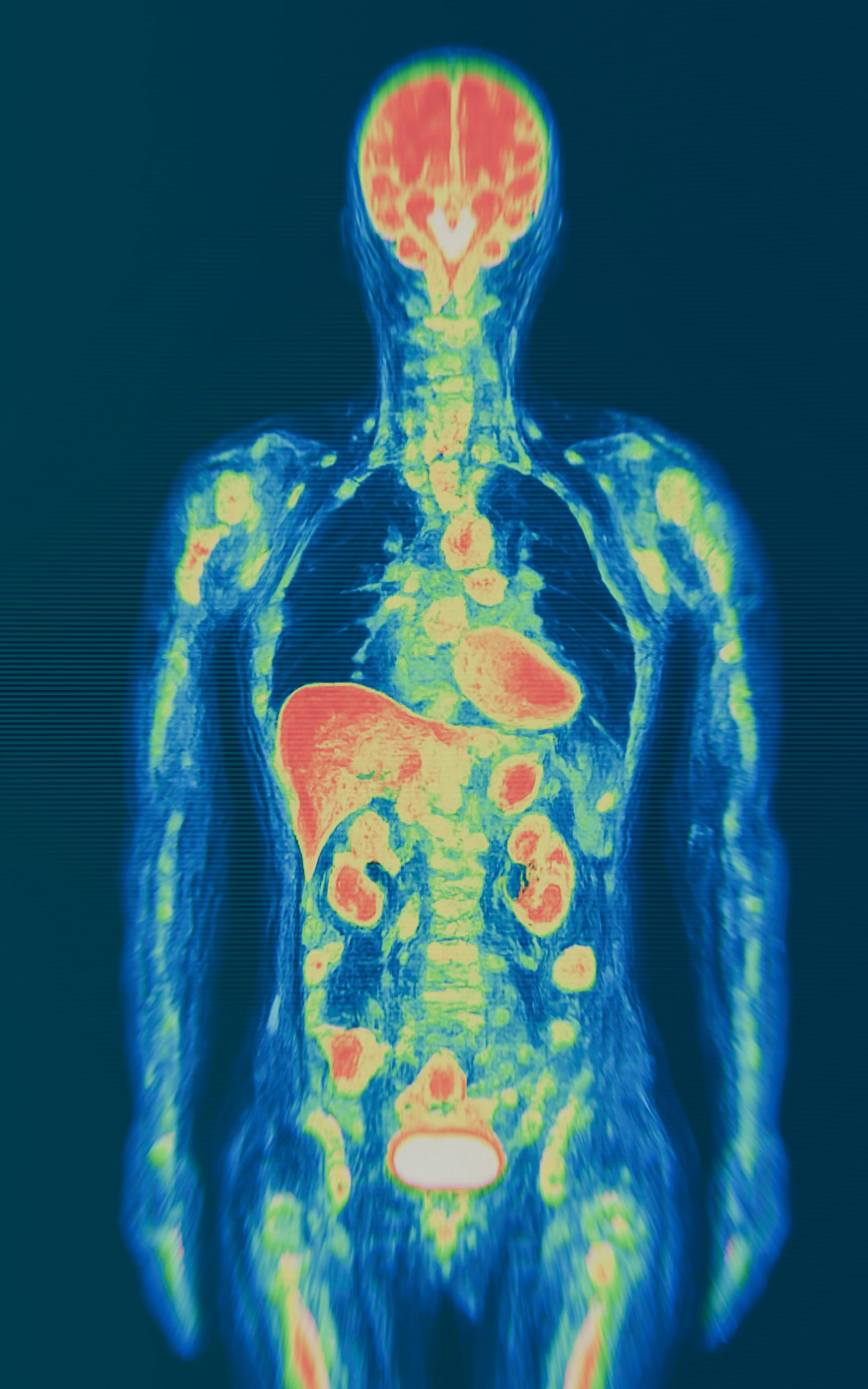
The Search for Cellular Reversal
Those switches are called transcription factors. They determine which parts of the genome a cell reads and which it ignores. Change the right ones, and the behavior of the entire cell can shift with them.
In 1962, British biologist John Gurdon removed the nucleus from a frog egg, replaced it with the nucleus of a mature frog’s intestinal cell, and watched it develop into a healthy tadpole. The experiment revealed something extraordinary: that a specialized adult cell still contains all the genetic information of the embryo it came from. Placed inside an egg, that code could be reactivated.
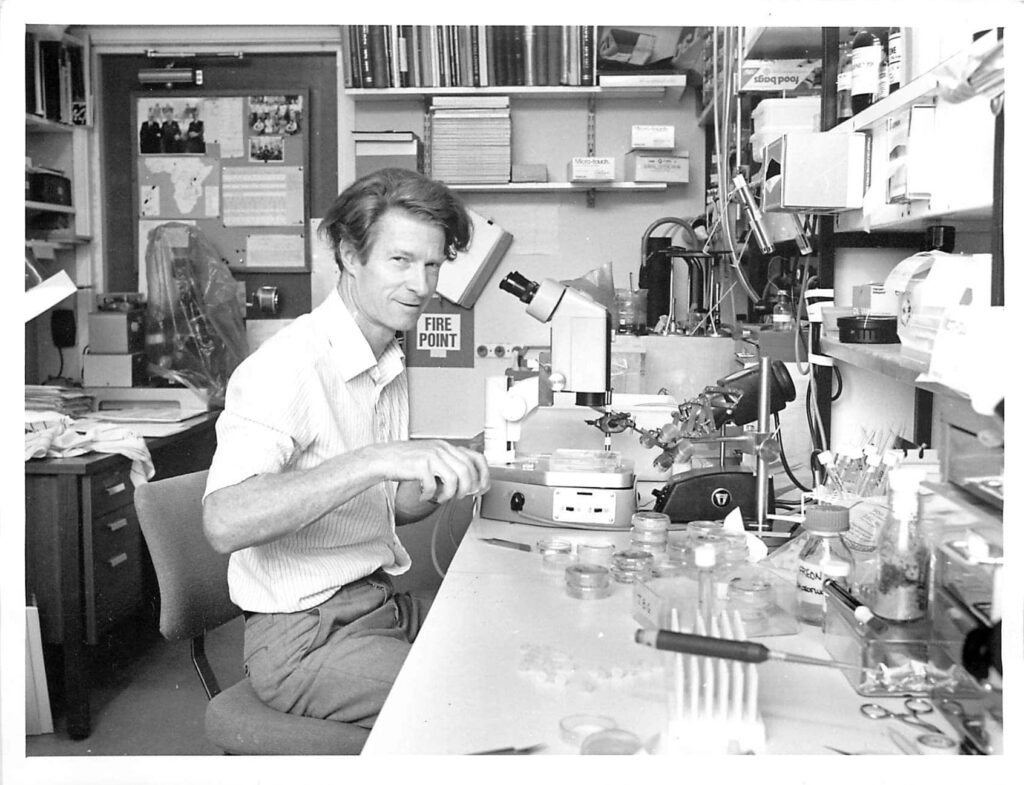
For more than four decades, the precise mechanism remained a black box: no one understood the chemical signals at work inside the egg, or how to replicate them synthetically. Then, in 2026, scientists Shinya Yamanaka and Kazutoshi Takahashi discovered that just four transcription factors – Oct4, Sox2, Klf4, and c-Myc, (collectively known as OSKM – could return an adult cell to an embryonic-like state. The finding transformed the field. In 2012, Yamanaka shared the Nobel Prize in Physiology or Medicine with Gurdon, whose tadpole had pointed the way half a century earlier.
A decade later, researchers led by Alejandro Ocampo at the Salk Institute pushed the idea further. Instead of running OSKM to completion, they activated the four factors in short cycles inside living mice. The treatment softened several hallmarks of aging and extended lifespan by roughly a third in mice engineered to age prematurely. For the first time, researchers had shown that a cell’s biological clock could be wound back without resetting it to zero.

But the same work exposed a central limitation: leave OSKM running too long and it does not simply erase age. It erases identity. A liver cell stops behaving like a liver cell. As cellular identity breaks down, the risk of tumors rises with it.
The four Yamanaka factors represented a single, precarious point within a wider landscape of possibilities that had barely been explored. Somewhere among them, researchers reasoned, were combinations capable of rejuvenation that preserved cellular function.
The human genome encodes roughly 1,600 transcription factors. Even permutations of three produce hundreds of millions of distinct cellular signals. The broader universe of viable payloads reaches into the quadrillions – thousands times more than there are stars in the Milky Way. Searching a design space of that magnitude is impossible with conventional bench science; navigating it would require a radically different kind of laboratory.
In 2021, New Limit founders Brian Armstrong, Blake Byers, and Jacob Kimmel set out to build one.

A Closed Discovery Loop
The result was the Discovery Engine: a high-throughput, closed-loop research system engineered to search the vast combinatorial landscape of cellular age.
The platform exposes aged human cells taken directly from donors to thousands of transcription-factor combinations, each tagged with a unique molecular identifier – a genetic barcode that tracks which cell received which treatment. These payloads are delivered in transient pulses that turn on briefly and then switch off, mimicking the exact behavior of an mRNA therapeutic in the body. Using single-cell RNA sequencing, NewLimit reads out the precise genomic response triggered by each combination. To date, the company has tested more reprogramming combinations than the rest of the field combined, surfacing more than six hundred payloads that make old cells look younger, thirty-six that restore youthful function, and sixteen that treat disease in animal models.
Because empirical testing can only cover a fraction of the theoretical design space, NewLimit developed Ambrosia, a predictive machine-learning model that scores candidate combinations before they are synthesized. Crucially, Ambrosia evaluates payloads on two distinct axes: how effectively they reverse a cell’s biological age, and how well they preserve its specialized identity. By decoupling rejuvenation from dedifferentiation, the platform deliberately hunts for combinations that restore youth without risking cellular instability or tumor formation.
Ambrosia has more than doubled NewLimit’s rate of discovery per dollar. Every animal trial feeds raw biological data back into the machine-learning model, creating a compounding feedback loop that sharpens each subsequent screen. Once a hit is validated, it is engineered into a transient mRNA medicine using modified nucleosides like N1-methylpseudouridine – the same foundational chemistry that enabled the safe, global deployment of mRNA vaccines.
Restoring the Liver
NewLimit’s most advanced therapeutic program targets the liver, the most proven and accessible destination for mRNA medicine. Standard lipid nanoparticles (LNPs), the microscopic fat bubbles used to encapsulate and deliver mRNA, naturally concentrate in the liver upon administration. This delivery pathway is well understood in human clinical practice, serving as the foundation for commercial mRNA therapeutics like Onpattro and systemic vaccines.
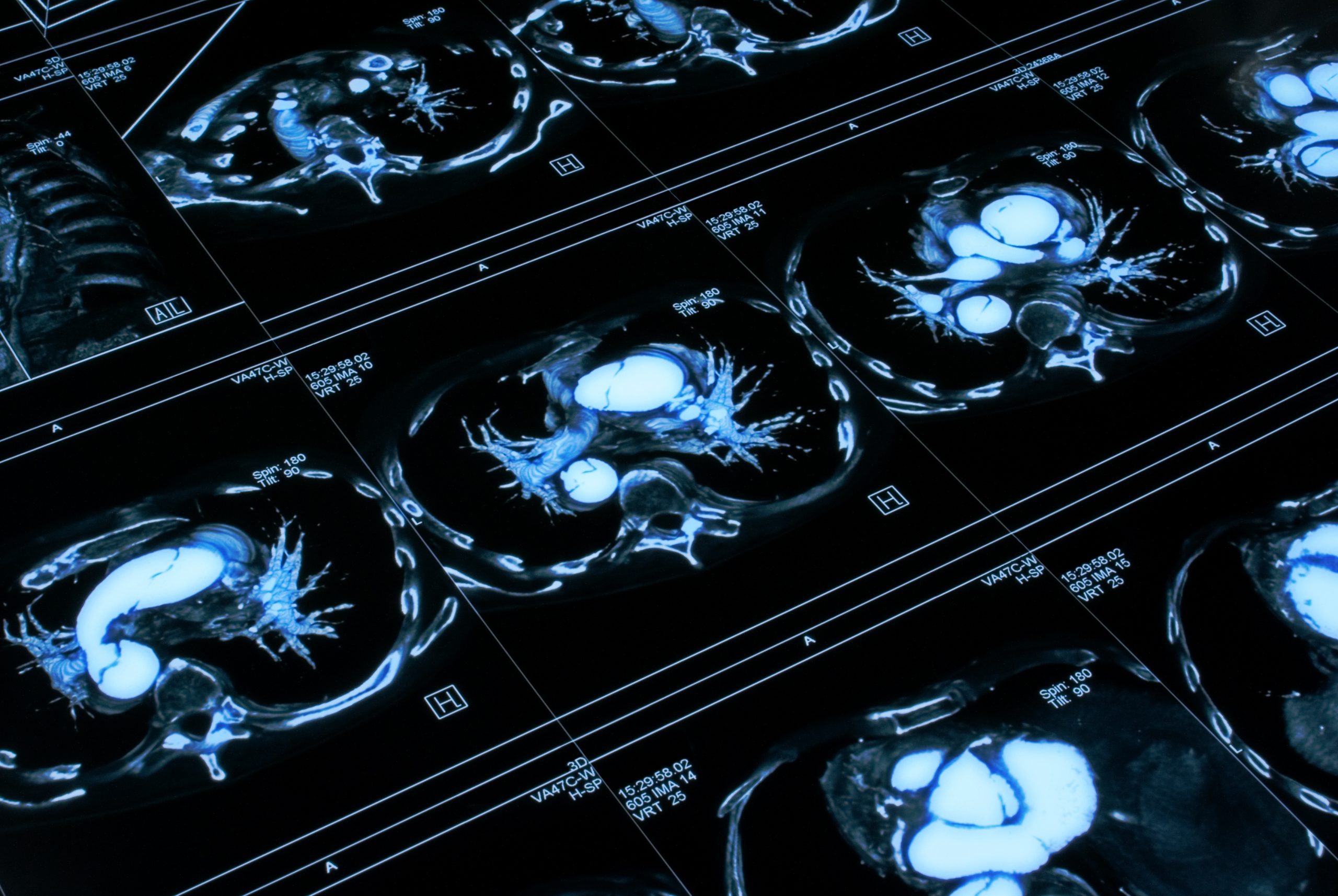
NewLimit’s lead preclinical candidate uses this exact pathway to deliver a custom mix of mRNA instructions directly to the liver. In studies with aged mice recovering from major surgical tissue loss, the treatment fully restored youthful liver regeneration while rescuing tissue from severe damage caused by alcohol consumption and acute metabolic stress. Subsequent optimization campaigns increased the medicine’s potency and its selective uptake in liver cells, while high-dose toxicology studies demonstrated zero liver toxicity and no tumor formation significantly above anticipated therapeutic levels.
NewLimit is currently scaling clinical-grade manufacturing and completing the formal safety and toxicity studies required to enter its first human clinical trial in 2027.
Conquering the Delivery Bottleneck
Because conventional LNPs naturally deposit over 90% of their payload into the liver, the broader biopharma industry has largely remained confined to hepatic targets. However, the most destructive manifestations of systemic aging, from cardiovascular disease to neurodegeneration, occur outside the liver.
Unlocking the full clinical potential of cellular rejuvenation requires directing mRNA payloads to specific, non-hepatic cell types. In 2025, NewLimit expanded beyond its liver and immune programs to launch a third vertical focused on vascular health, specifically targeting the endothelial cells that line blood vessels in the kidney.

To achieve this, the company engineered novel LNP formulations designed to bypass default liver uptake. The team developed a specialized LNP that successfully delivers mRNA to over 60% of blood vessel cells in living animal kidneys, enabling therapeutic testing in living animal models of renal disease. Separately, NewLimit engineered distinct, non-viral vectors capable of efficiently reprogramming primary T cells. By demonstrating that complex payloads can reliably target diverse cell types throughout the body, NewLimit is building a broader defense against systemic tissue decline.
Redefining Medicine at the Source
For centuries, healthcare has been reactive. NewLimit represents a fundamental paradigm shift: treating age-related decline at its biological source, before tissue failure takes hold.
Helena’s conviction in NewLimit is rooted in a platform built for both clinical safety and long-term strategic advantage. Delivering temporary reprogramming signals via transient mRNA leverages immense clinical precedent, backed by global vaccine deployments and years of chronic dosing data in human patients. Crucially, as basic liver delivery becomes a commoditized baseline across biotech, the enduring competitive moat will belong to the platform that masters delivery to hard-to-reach tissues. NewLimit’s early breakthroughs in kidney and immune cells demonstrate that its engine can scale well past this initial entry point.
As NewLimit advances toward human clinical trials, the implications extend far beyond a single drug or organ system. By systematically mapping cellular rejuvenation across the body’s vital tissues, NewLimit is laying the groundwork for an entirely new class of medicine – one proving that cellular aging is not immutable, and that human health can be redefined by actively restoring youthful regenerative capacity rather than merely slowing decline.
The specific sets of genetic-switch proteins delivered into an old cell to instruct it to behave like a young one again.
The active molecular cargo, such as a specific mix of mRNA, delivered into a target cell to trigger a precise biological change.
Hands-on laboratory research used to test scientific ideas and develop new medicines.
A method for measuring gene activity in individual cells, revealing how different cell types behave.
The changes in gene activity triggered by a treatment or other stimulus.
Helena’s purpose is to identify solutions to global problems and implement them through projects. Each project is a separate, unique effort.
Sometimes, we believe that the most effective method to implement a project is through for-profit action, including investment and/or the founding and operation of businesses.
These projects are designated as “profit” on their associated project pages on this website. This page is an example of such a project.
To implement efforts through for-profit means, entities(s) including Helena Special Investments, LLC, a privately-owned limited liability company that operates in business activities that have the potential to transformatively address societal problems while targeting attractive returns to investors, are utilized.
Helena’s purpose is to identify solutions to global problems and implement them through projects. Each project is a separate, unique effort.
Sometimes, we believe that the most effective method to implement a project is through non-profit action. These projects are designated as “non-profit” on their associated project pages on this website. This page is an example of such a project.
In these cases, Helena operates projects that are led and funded through non-profit entitie(s), including Helena Group Foundation. Helena Group Foundation is a nonprofit, 501(c)(3) organization formed to conceive and operate projects that solve important global issues for the benefit of society.